Artificial intelligence (AI) is a rapidly evolving field of computer science that enables machines to mimic various human cognitive functions, such as learning, problem-solving, and decision-making. AI systems can analyze data and generate tailored responses.1 A key component of AI is machine learning (ML), which allows systems to improve task performance through adaptive learning without explicit programming. Deep learning (DL), a subset of ML, employs artificial neural networks to process large datasets and derive meaningful insights.2
AI is revolutionizing modern medicine, particularly in diagnosis, treatment planning, and healthcare delivery. One of its most significant applications is in medical imaging, where AI algorithms detect conditions such as cancer, diabetic retinopathy, and pneumonia. DL-based models have demonstrated near-human accuracy in identifying breast cancer from mammograms.3 Beyond imaging, AI contributes to therapeutic applications, including personalized medicine, surgical intervention, mental health support, chronic disease management, and drug discovery.4
At the individual level, AI supports physicians through clinical decision support systems that offer real-time diagnostic suggestions, flag abnormal test results, and recommend evidence-based management strategies.5,6 Such systems can synthesize patient history, imaging, and laboratory data to propose differential diagnoses, helping mitigate cognitive overload and time constraints.7 Additionally, AI-based digital scribes and voice recognition tools automate documentation, reducing administrative burden and allowing physicians to dedicate more time to patient care.5
AI plays an emerging role in medical education for both undergraduate and postgraduate healthcare trainees.8 It assists researchers in retrieving and synthesizing data from large databases, thereby expediting manuscript preparation and analysis.9 As AI becomes more integrated into clinical and educational environments, it is essential for medical professionals to understand its capabilities, limitations, and applications. Postgraduate residents, in particular, are key stakeholders in this transition, as their knowledge and confidence in using AI will directly influence its clinical adoption.
Previous studies have identified gaps in healthcare providers’ understanding of AI’s fundamental concepts, capabilities, and limitations.7,10,11 Assessing postgraduate residents’ baseline knowledge of AI in healthcare is essential for designing targeted educational programs to bridge these gaps.
AI-driven tools have shown potential in enhancing medical education through adaptive learning platforms, intelligent tutoring systems, and immersive simulations.8,12–14 For example, AI can personalize educational content based on learner performance, provide immediate feedback, and simulate complex clinical scenarios to improve decision-making skills.6,14 This aligns with competency-based medical education, where AI can help track and assess learner progress in real-time.14
However, integrating AI into education and clinical training raises several concerns. Overreliance on AI tools may hinder critical thinking and clinical judgment if learners depend excessively on AI-generated outputs.13,14 Furthermore, algorithmic bias in training data can propagate healthcare inequalities and misinform learners when managing diverse populations.15,16 Ethical concerns regarding AI-assisted assessments, such as automated essay scoring or chatbots for clinical reasoning, highlight challenges related to transparency, fairness, and data privacy.13,17,18
Attitudes towards AI significantly influence its acceptance and integration into healthcare practice. Factors shaping these attitudes include trust in data accuracy, the reliability of AI-generated recommendations, information security, and apprehensions about loss of clinical autonomy or job displacement.19 Exploring postgraduate residents’ attitudes towards AI is crucial, as it reflects their preparedness and willingness to incorporate AI into their future clinical practice.
Perceptions of AI encompass healthcare professionals’ beliefs, expectations, and concerns regarding its impact on patient care, decision-making, and healthcare delivery. Studies report varying perceptions, from optimism about AI’s potential benefits to concerns about ethical dilemmas, patient confidentiality, and workforce implications.20 Understanding residents’ perception can help identify barriers and facilitators to AI adoption in clinical settings.
Despite growing global interest in AI in healthcare, research specifically focusing on postgraduate medical residents remains limited. Residents occupy a pivotal position as both learners and frontline clinicians, and their engagement with AI will significantly influence the future landscape of healthcare delivery.
In Oman, studies examining AI-related knowledge and perception among healthcare professionals are scarce. Therefore, this study sought to assess the knowledge, attitudes, and perceptions of AI among medical residents at the Oman Medical Specialty Board (OMSB) in Muscat. The focus will be on their understanding of this emerging technology and its potential implications for medical education and professional practice.
Methods
This cross-sectional survey was conducted over a four-month period, from September to December 2024, among OMSB residents. As the sole institution responsible for postgraduate medical training in Oman, the OMSB operates autonomously to set and maintain standards for postgraduate medical education, certification, and specialization across various fields, including anesthesiology, biochemistry, dentistry, dermatology, otolaryngology, emergency medicine, family medicine, general surgery, hematology, histopathology, internal medicine, microbiology, obstetrics and gynecology, ophthalmology, oral and maxillofacial surgery, orthopedics, psychiatry, pediatrics, radiology, and pediatric hematology oncology.
This pilot survey targeted all OMSB residents enrolled during the 2024–2025 academic year, excluding those on extended leave or pursuing fellowships or master’s degrees abroad. Of the 769 registered residents, we aimed to recruit approximately 250–260 to ensure broad representation across specialties and training levels. The chosen sample size also aligns with the common survey research conventions assuming a 95% confidence level and a 5% margin of error for an expected 50% outcome distribution, though the intention here was exploratory rather than inferential.
A digital, self-administered questionnaire was distributed via Google Forms (Google LLC, Mountain View, California, USA) to all eligible residents through their official OMSB email, with distribution managed by the trainee affairs department. Participants were sent reminders to complete the survey during mandatory OMSB events to maximize response rates.
The questionnaire used for data collection had been previously validated and used in a similar study in Oman, and a full psychometric analysis was not conducted in our study.21,22 It consisted of three sections. The first section collected socio-demographic and background data, including age, sex, marital status, average monthly income, specialty, residency level, highest qualification, university of graduation, region, and prior training in AI, coding, or programming. This information was used for exploring potential associations with AI literacy.
The second section assessed residents’ understanding of key concepts, including AI, ML, neural networks, DL, and algorithms. Responses were measured on a 5-point Likert scale ranging from 1 (strongly disagree) to 5 (strongly agree), with a score of 3 indicating neutrality. To assess overall knowledge, all knowledge-related questions were aggregated into a composite score, with a maximum possible score of 25 points. Scores were categorized into three levels: poor (≤ 15), acceptable (16–20), and knowledgeable (> 20).
The third section consisted of 12 items exploring residents’ perceptions of AI’s impact on physician employment, ethical and societal implications, and its integration into medical education. The final question was open-ended, inviting participants to share additional thoughts on AI.
Data were collected electronically and stored on a restricted-access Google Drive folder, accessible only to the research team, who were trained in Google Forms management. Statistical analysis was performed using the SPSS (IBM Corp. Released 2016. IBM SPSS Statistics for Windows, Version 24.0. Armonk, NY: IBM Corp.). Descriptive statistical analyses were conducted to summarize sociodemographic characteristics, with frequencies and percentages for categorical variables, and means and SDs for continuous variables. Associations between independent variables and outcomes were analyzed using Pearson’s chi-squared test or Fisher’s exact test (for expected cell counts < 5), with statistical significance set at p ≤ 0.050. Median scores for knowledge and perception were also calculated to summarize responses.
The study received ethical approval from the OMSB Research Ethics Committee. An electronic informed consent was embedded in the online survey, and all participants had to indicate agreement prior to accessing and completing the questionnaire. Participants were informed about the study’s objectives, the voluntary nature of participation, confidentiality, and their right to withdraw at any stage. Participation was anonymous, and no identifiable personal information was collected. A unique code was assigned to each participant to ensure anonymity. To protect privacy and minimize peer influence, participants were instructed not to discuss the survey content with others. The estimated time for survey completion was 10 minutes.
Results
A total of 256 postgraduate residents completed the online survey (response rate = 33.3%). Of which, 208 (81.3%) were females and 48 (18.8%) were males. Ages ranged from 25–39 years, with a mean of 29.72 ± 2.85 years. Marital status was split between 140 (54.7%) married and 116 (45.3%) unmarried residents. Monthly incomes varied from 700–2000 Omani Rials (USD 1820–5195), with a mean of 1305.44 ± 223.52 Omani Rials (USD 3390.75 ± 580.57). Regionally, participants were most often from Muscat (n = 89, 34.8%), Al Batinah North (n = 55, 21.5%), and A'Dakhiliyah (n = 36, 14.1%), with smaller numbers from Al Batinah South (n = 30, 11.7%), A'Dhahirah (n = 16, 6.3%), A'Sharqiyah North (n = 10, 3.9%), A'Sharqiyah South (n = 7, 2.7%), Al Buraimi (n = 7, 2.7%), Dhofar (n = 4, 1.6%), and Musandam (n = 2, 0.8%). A total of 234 (91.4%) had graduated from Omani medical schools, 146 (57.0%) from Sultan Qaboos University and 82 (32.0%) from the National University of Science and Technology. Specialties were medical for 201 (78.5%) residents and surgical for 55 (21.5%), with 145 junior (PGY-1/2 56.6%) and 111 senior (PGY-3+ 43.4%) trainees. Most lacked academic computer science backgrounds (n = 213, 83.2%) and had not received formal AI (n = 246, 96.1%) or programming training (n = 248, 96.9%); however, 87 (34.0%) engaged in self-directed AI learning.
Overall, familiarity with AI stood at 181 (70.7%) residents. Awareness was highest for ChatGPT (n = 237, 92.6%), followed by Google Assistant (n = 124, 48.4%), Amazon Alexa (n = 104, 40.6%), and ELSA (n = 55, 21.5%). Usage patterns mirrored awareness, ChatGPT was used by 188 (73.4%) residents, Google Assistant by 62 (24.2%), Amazon Alexa by 21 (8.2%), and ELSA by four (1.6%).
While 19 (74.2%) residents reported understanding ‘artificial intelligence’, familiarity declined for more technical terms, ‘algorithm’ (n = 82, 32.0%), ‘machine learning’ (n = 76, 29.7%), ‘deep learning’ (n = 42, 16.4%), and ‘neural networks’ (n = 30, 11.7%; Figure 1).
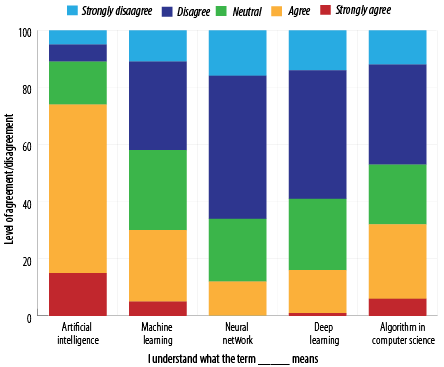 Figure 1: Questionnaire responses of residents’ familiarity with artificial intelligence terms.
Scores on a 25-point self-assessment ranged from 5–24 (mean = 14.04 ± 3.77), with internal consistency (Cronbach’s α = 0.82). Knowledge categorization placed 159 (62.1%) residents in the poor range (≤ 15), 89 (34.8%) in the acceptable range (16–20), and 8 (3.1%) as knowledgeable (> 20).
A significant sex association emerged (p = 0.004), with males reporting higher scores. No significant associations were observed between knowledge and age (p = 0.463), marital status (p = 0.813), region (p = 0.661), income (p = 0.541), graduation country (p = 0.592), residency level (p = 0.585), specialty type (p = 0.322), formal AI training (p = 0.531), or coding and programming experience (p = 0.605; Table 1).
Table 1: Association between sociodemographic and clinical characteristics and knowledge regarding AI among the participants (N = 256).
|
Age, years
|
|
|
|
|
|
25–29
|
79 (30.9)
|
37 (14.5)
|
4 (1.6)
|
0.463
|
|
30–40
|
80 (31.3)
|
52 (20.3)
|
4 (1.6)
|
|
Sex
|
|
|
|
|
|
Male
|
20 (7.8)
|
25 (9.8)
|
3 (1.2)
|
0.004
|
|
Female
|
139 (54.3)
|
64 (25.0)
|
5 (2.0)
|
|
Marital status
|
|
|
|
|
|
Married
|
85 (33.2)
|
51 (19.9)
|
4 (1.6)
|
0.813
|
|
Unmarried
|
74 (28.9)
|
38 (14.8)
|
4 (1.6)
|
|
Monthly income, OMR
|
|
|
|
|
|
≤ 1300
|
62 (24.2)
|
41 (16.0)
|
3 (1.2)
|
0.541
|
|
> 1300
|
97 (37.9)
|
48 (18.8)
|
5 (2.0)
|
|
Region of origin
|
|
|
|
|
|
Muscat
|
52 (20.3)
|
32 (12.5)
|
5 (2.0)
|
0.216
|
|
Others
|
107 (41.8)
|
57 (22.3)
|
3 (1.2)
|
|
Graduation university
|
|
|
|
|
|
Sultan Qaboos University
|
92 (35.9)
|
48 (18.8)
|
6 (2.3)
|
0.485
|
|
Other
|
67 (26.2)
|
41 (16.0)
|
2 (0.8)
|
|
Graduation country
|
|
|
|
|
|
Oman
|
146 (57.0)
|
80 (31.3)
|
8 (3.1)
|
0.592
|
|
Abroad
|
13 (5.1)
|
9 (3.5)
|
0 (0.0)
|
|
Residency level
|
|
|
|
|
|
Junior
|
94 (36.7)
|
47 (18.4)
|
4 (1.6)
|
0.585
|
|
Senior
|
65 (25.4)
|
42 (16.4)
|
4 (1.6)
|
|
Residency program
|
|
|
|
|
|
Medical
|
124 (48.4)
|
69 (27.0)
|
8 (3.1)
|
0.322
|
|
Surgical
|
35 (13.7)
|
20 (7.8)
|
0 (0.0)
|
|
Academic background in computer science
|
|
No
|
131 (51.2)
|
75 (29.3)
|
7 (2.7)
|
0.881
|
|
Yes
|
28 (10.9)
|
14 (5.5)
|
1 (0.4)
|
|
Prior AI training
|
|
|
|
|
|
No
|
154 (60.2)
|
84 (32.8)
|
8 (3.1)
|
0.531
|
|
Yes
|
5 (2.0)
|
5 (2.0)
|
0 (0.0)
|
|
Prior experience in coding and programming
|
|
No
|
155 (60.5)
|
85 (33.2)
|
8 (3.1)
|
Only 91 (35.5%) residents agreed that existing training prepared them for AI tools. The majority supported curriculum integration, with 205 (80.1%) residents in favor of incorporating AI competencies and 206 (80.5%) supports mandatory AI training. Preferred timing was at the medical school (n = 191, 74.6%), followed by residency (n = 45, 17.6%), and clinical practice (n = 12, 4.7%). A small group found it unnecessary (n = 8, 3.1%; Figure 2).
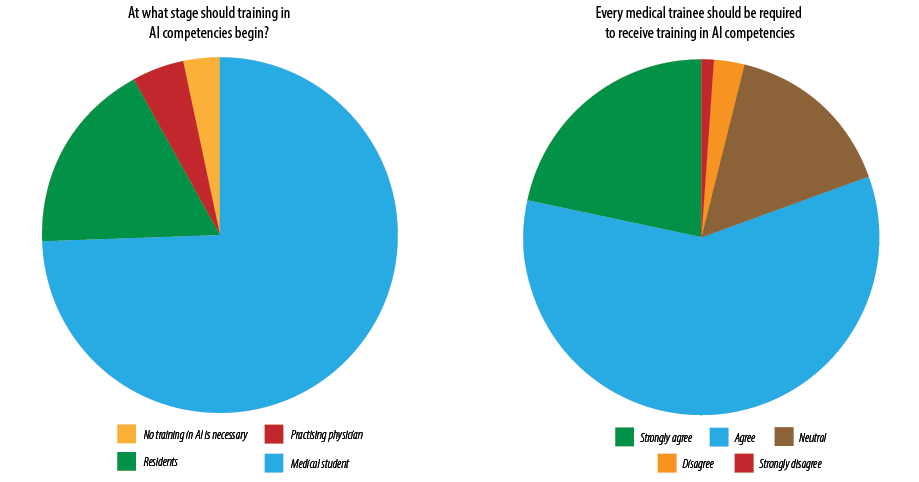 Figure 2: Questionnaire responses of residents’ attitudes towards using artificial intelligence.
Concerns that AI might reduce job opportunities were voiced by 113 (44.1%) residents. Additionally, 146 (57.0%) residents anticipated that certain specialties would be disproportionately affected, and 74 (28.9%) reported an existing and expected AI influence on their specialty choice.
Ethical and social challenges were widely anticipated; 228 (89.1%) residents expected ethical issues, 218 (85.2%) social challenges, and 200 (78.1%) potential exacerbation of health equity concerns. Only 77 (30.1%) residents felt that the Omani healthcare system is currently well-prepared to address these challenges [Figure 3].
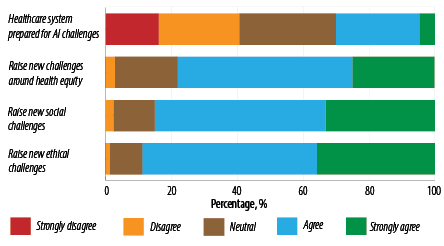 Figure 3: Extent of agreement among residents to the challenges posed by AI.
Discussion
This study evaluated residents’ knowledge, familiarity, and perspectives on AI in medical education and clinical practice. Although most participants were aware of AI as a concept, their understanding of key AI-related terms, such as ML, DL, and neural networks, was limited. This observation is consistent with previous research showing that, while healthcare professionals recognize AI’s potential, gaps in fundamental knowledge persist.12,13
Only 35.5% of residents felt that their medical education had adequately prepared them to work alongside AI. Despite this, the vast majority (80.1%) supported integrating AI competencies into medical curricula, preferably beginning at the undergraduate level. Similar international studies have underscored the growing need for AI literacy in medical education.17,23 Despite widespread awareness of AI, 96.1% of participants reported no formal training, consistent with global trends highlighting the absence of structured AI instruction in medical schools.12,13,17,24
Knowledge scores were significantly associated with sex (p = 0.004), with male participants demonstrating higher AI knowledge. Previous studies have noted similar sex disparities in digital and AI literacy; further research is needed to elucidate the underlying factors contributing to these differences.15,25 Notably, knowledge scores were not significantly associated with residency level, specialty, or prior coding experience, suggesting that gaps in AI literacy are pervasive across diverse demographic and professional backgrounds.
Concerns regarding AI’s impact on job security were also prominent. Almost half the participants (44.1%) believed that AI could reduce overall job opportunities, while 57.0% anticipated that certain specialties might be more affected than others. These concerns align with broader discussions about AI’s disruptive potential in medicine, particularly in diagnostic fields such as radiology and pathology.18,26,27 The perception that AI could reduce job opportunities reflects broader concerns about automation in healthcare. Previous studies have suggested that while AI-driven automation is likely to reshape certain medical roles, it is unlikely to replace physicians entirely.5,28 For instance, specialties such as radiology, dermatology, and pathology are expected to experience significant AI integration, driven by advancements in image-based diagnostics.29,30 Concurrently, AI is anticipated to enhance medical practice by reducing workload, improving diagnostic accuracy, and supporting decision-making.6
Nearly one-third of the residents (28.9%) reported that AI had influenced, or might influence, their choice of specialty. This suggests that AI advancements may play a role in career decision-making. Recent research similarly indicates that medical students increasingly consider AI integration when selecting their specialty, with some favoring fields that emphasize human interaction and clinical judgment over automated processes.31
The strong support for integrating AI education (80.1%) underscores the urgent need for structured AI training in medical curricula. Several frameworks have proposed models incorporating foundational AI principles, ethical considerations, and practical applications in clinical decision-making.14 A tiered AI curriculum that begins with basic AI principles and advances progressively to more complex applications has been recommended to prepare future clinicians for an AI-integrated healthcare environment. A continuous feedback system within this curriculum could ensure its relevance and effectiveness by allowing residents to provide input on their learning experience. This iterative process would help educators refine AI education, adopting content to address evolving clinical demands and technological advancements.
Most participants (89.1%) recognized multiple ethical challenges associated with AI integration. Algorithmic bias, where training datasets underrepresent minority groups, has been shown to exacerbate health disparities, as demonstrated by Obermeyer et al on a population health algorithm.32 Informed consent for AI-driven interventions remains challenging due to the opacity of complex models and the difficulty patients face in understanding automated decision pathways.33 Patient data privacy also poses a major concern, since large-scale datasets used for ML may be vulnerable to reidentification risks.34 Quantitative surveys alone are unlikely to capture the depth of ethical reasoning required, so future studies should incorporate mixed-method approaches, such as scenario-based vignettes and in-depth interviews, to more robustly assess AI ethics awareness.
Implementing structured feedback processes is critical in assessing the impact and effectiveness of AI education in medical training programs.8 Regular evaluations through both quantitative metrics and qualitative feedback from participants can help identify areas of success and areas needing improvement. For instance, periodic surveys and focus group discussions could be utilized to gather direct feedback from residents regarding their confidence and competence in using AI technologies. Additionally, assessing clinical outcomes and decision-making processes in real-world settings where AI tools are employed can provide objective data on the practical benefits of AI education.16 Such comprehensive feedback will enable continuous curriculum development, ensuring that AI training remains aligned with technological advancements and healthcare needs.
This study has several limitations. First, the sample consisted solely of medical residents in Oman, which may restrict the generalizability of the findings to other healthcare professionals, including medical students, practicing physicians, and allied health workers. Second, the study relied on self-reported data, introducing the potential for response bias as participants may have overestimated or underestimated their familiarity with AI concepts. Third, a resident’s indication that they ‘understand’ AI terminology does not guarantee true conceptual comprehension; responses may instead reflect social desirability or overconfidence, particularly in anonymous online formats.35 Moreover, the binary nature of many items fails to capture nuanced understanding, as objective scenario-based assessments often reveal discrepancies between perceived and actual competence. Consequently, the observed sex difference in knowledge scores may reflect differences in confidence rather than genuine knowledge disparities. Fourth, the cross-sectional design captures perceptions at a single point in time and does not assess how AI knowledge and attitudes evolve over the course of training. Last, the study did not evaluate the impact of specific AI-related exposures, such as workshops or hands-on training, on participants’ knowledge and confidence in using AI tools.
Future research should employ longitudinal designs to assess changes in AI literacy and competence among medical professionals over time. Qualitative studies could provide deeper insights into the barriers and facilitators to AI integration in medical education. Additionally, expanding the study to include faculty members, policymakers, and other healthcare professionals would offer a more comprehensive understanding of AI readiness in healthcare. Intervention-based studies evaluating the effectiveness of AI training programs could inform the development of future curricula and policies.
Conclusion
These preliminary data from a single-center cross-sectional survey of 256 postgraduate residents indicate broadly positive attitudes toward AI alongside wide variation in self-assessed knowledge, which may reflect confidence more than competence. Our reliance on self-report measures, the modest single-institution sample, and lack of objective assessments limit interpretability and generalizability. Moreover, ethical imperatives, algorithmic bias, informed consent challenges, and data privacy, underscore the need for curricular focus and scenario-based mixed-method evaluation of ethical reasoning. Future research should employ validated knowledge tests in larger, multi-center cohorts and integrate qualitative approaches to inform robust, evidence-based AI curricula for healthcare professionals.
Disclosure
AI tools were used for language editing but not for drafting this manuscript to maintain academic integrity, in line with journal policy. The authors declare no conflicts of interest. No funding was received for this study.
references
- 1. Ahuja AS. The impact of artificial intelligence in medicine on the future role of the physician. PeerJ 2019 Oct;7:e7702.
- 2. Davenport T, Kalakota R. The potential for artificial intelligence in healthcare. Future Healthc J 2019 Jun;6(2):94-98.
- 3. Bai J, Posner R, Wang T, Yang C, Nabavi S. Applying deep learning in digital breast tomosynthesis for automatic breast cancer detection: a review. Med Image Anal 2021 Jul;71:102049.
- 4. Zeb S, Nizamullah FNU, Abbasi N, Fahad M. AI in healthcare: revolutionizing diagnosis and therapy. Int J Multidiscip Sci Arts 2024;3(3):118-128.
- 5. Rajpurkar P, Chen E, Banerjee O, Topol EJ. AI in health and medicine. Nat Med 2022 Jan;28(1):31-38.
- 6. Topol EJ. High-performance medicine: the convergence of human and artificial intelligence. Nat Med 2019 Jan;25(1):44-56.
- 7. Allam AH, Eltewacy NK, Alabdallat YJ, Owais TA, Salman S, Ebada MA; EARG Group. Knowledge, attitude, and perception of Arab medical students towards artificial intelligence in medicine and radiology: a multi-national cross-sectional study. Eur Radiol 2024 Jul;34(7):1-14.
- 8. Chan KS, Zary N. Applications and challenges of implementing artificial intelligence in medical education: integrative review. JMIR Med Educ 2019 Jun;5(1):e13930.
- 9. Narayanaswamy CS. Can we write a research paper using artificial intelligence? J Oral Maxillofac Surg 2023 May;81(5):524-526.
- 10. Ahmed Z, Bhinder KK, Tariq A, Tahir MJ, Mehmood Q, Tabassum MS, et al. Knowledge, attitude, and practice of artificial intelligence among doctors and medical students in Pakistan: a cross-sectional online survey. Ann Med Surg (Lond) 2022 Mar;76:103493.
- 11. Swed S, Alibrahim H, Elkalagi NK, Nasif MN, Rais MA, Nashwan AJ, et al. Knowledge, attitude, and practice of artificial intelligence among doctors and medical students in Syria: a cross-sectional online survey. Front Artif Intell 2022 Sep;5:1011524.
- 12. Kolachalama VB, Garg PS. Machine learning and medical education. NPJ Digit Med 2018 Sep;1:54.
- 13. Paranjape K, Schinkel M, Nannan Panday R, Car J, Nanayakkara P. Introducing artificial intelligence training in medical education. JMIR Med Educ 2019 Dec;5(2):e16048.
- 14. Gordon M, Daniel M, Ajiboye A, Uraiby H, Xu NY, Bartlett R, et al. A scoping review of artificial intelligence in medical education: BEME guide No. 84. Med Teach 2024 Apr;46(4):446-470.
- 15. Shah SS. Gender bias in artificial intelligence: empowering women through digital literacy. Premier J Artif Intell 2024;1:1000088.
- 16. Joshi S, Urteaga I, van Amsterdam WA, Hripcsak G, Elias P, Recht B, et al. AI as an intervention: improving clinical outcomes relies on a causal approach to AI development and validation. J Am Med Inform Assoc 2025 Mar;32(3):589-594.
- 17. Masters K. Artificial intelligence in medical education. Med Teach 2019 Sep;41(9):976-980.
- 18. Yu KH, Kohane IS. Framing the challenges of artificial intelligence in medicine. BMJ Qual Saf 2019 Mar;28(3):238-241.
- 19. Alsaedi AR, Alneami N, Almajnoni F, Alamri O, Aljohni K, Alrwaily MK, et al. Perceived worries in the adoption of artificial intelligence among healthcare professionals in Saudi Arabia: a cross-sectional survey study. Nurs Rep 2024 Nov;14(4):3706-3721.
- 20. Sanad AH, Alsaegh AS, Abdulla HM, Mohamed AJ, Alqassab A, Sharaf SM, et al. Perceptions of artificial intelligence in medicine among newly graduated interns: a cross-sectional study. Cureus 2024 Oct;16(10):e71216.
- 21. Al Hadithy ZA, Al Lawati A, Al-Zadjali R, Al Sinawi H. Knowledge, attitudes, and perceptions of artificial intelligence in healthcare among medical students at Sultan Qaboos University. Cureus 2023 Sep;15(9):e44887.
- 22. Al Kindi R, Al Salmani A, Hadhrami RA, Shaqsi JA, Hadhrami AA, Hatmi SA, Maashani MA. Knowledge, attitude, and perception of artificial intelligence among medical residents in Oman: readiness for clinical practice. BMC Med Educ. 2026 Apr 21;26(1):939.
- Mir MM, Mir GM, Raina NT, Mir SM, Mir SM, Miskeen E, et al. Application of artificial intelligence in medical education: current scenario and future perspectives. J Adv Med Educ Prof 2023 Jul;11(3):133-140.
- 23. Park SH, Do KH, Kim S, Park JH, Lim YS. What should medical students know about artificial intelligence in medicine? J Educ Eval Health Prof 2019;16:18.
- 24. Pinto Dos Santos D, Giese D, Brodehl S, Chon SH, Staab W, Kleinert R, et al. Medical students’ attitude towards artificial intelligence: a multicentre survey. Eur Radiol 2019 Apr;29(4):1640-1646.
- 25. King BF Jr. Artificial intelligence and radiology: what will the future hold? J Am Coll Radiol 2018 Mar;15(3 Pt B):501-503.
- 26. Baxi V, Edwards R, Montalto M, Saha S. Digital pathology and artificial intelligence in translational medicine and clinical practice. Mod Pathol 2022 Jan;35(1):23-32.
- 27. Rubinstein B, Matos S. Value creation for healthcare ecosystems through artificial intelligence applied to physician-to-physician communication: a systematic review. Neural Process Lett. 2025;57:6.
- 28. De Fauw J, Ledsam JR, Romera-Paredes B, Nikolov S, Tomasev N, Blackwell S, et al. Clinically applicable deep learning for diagnosis and referral in retinal disease. Nat Med 2018 Sep;24(9):1342-1350.
- 29. Liu X, Faes L, Kale AU, Wagner SK, Fu DJ, Bruynseels A, et al. A comparison of deep learning performance against health-care professionals in detecting diseases from medical imaging: a systematic review and meta-analysis. Lancet Digit Health 2019 Oct;1(6):e271-e297.
- 30. Alammari DM, Melebari RE, Alshaikh JA, Alotaibi LB, Basabeen HS, Saleh AF. Beyond boundaries: the role of artificial intelligence in shaping the future careers of medical students in Saudi Arabia. Cureus 2024 Sep;16(9):e69332.
- 31. Obermeyer Z, Powers B, Vogeli C, Mullainathan S. Dissecting racial bias in an algorithm used to manage the health of populations. Science 2019 Oct;366(6464):447-453.
- 32. Morley J, Floridi L, Kinsey L, Elhalal A. From what to how: an initial review of publicly available ai ethics tools, methods and research to translate principles into practices. Sci Eng Ethics 2020 Aug;26(4):2141-2168.
- 33. Price WN II, Cohen IG. Privacy in the age of medical big data. Nat Med 2019 Jan;25(1):37-43.
- 34. Setiawati FA, Widyastuti T, Fathiyah KN, Nabila TS. Minimizing social desirability in questionnaires of non-cognitive measurements. Euro J Psychol Educational Res 2024;7(1):33-43.